The Future of Web Development in 2026
The Future of Web Development in 2026: Trends You Can’t Ignore
Web development has always been a fast-moving field, but in 2026, the pace of change is more intense than ever. New technologies, user expectations, and business needs are reshaping how websites and web applications are built. For developers, designers, and business owners alike, staying ahead of these trends is no longer optional—it’s essential.
In this article, we’ll explore the most important web development trends in 2026 and how they are shaping the future of the digital world.
1. AI-Powered Development Is Becoming the Norm
Artificial Intelligence is no longer just a buzzword—it’s a practical tool that developers use daily. AI-powered coding assistants can now generate code, fix bugs, and even suggest optimizations in real time.

These tools significantly reduce development time and help developers focus on solving complex problems instead of writing repetitive code. However, this doesn’t mean developers are being replaced. Instead, their roles are evolving toward more strategic thinking, architecture design, and problem-solving.
What this means for developers:
- Learn how to work alongside AI tools
- Focus on logic, structure, and system design
- Improve debugging and critical thinking skills
2. The Rise of Jamstack and Headless Architecture
Traditional monolithic websites are being replaced by more flexible and scalable architectures. Jamstack (JavaScript, APIs, and Markup) continues to gain popularity due to its performance and security benefits.
At the same time, headless CMS platforms allow developers to separate the frontend from the backend. This gives more freedom to use modern frameworks while managing content efficiently.
Benefits include:
- Faster loading speeds
- Better scalability
- Improved security
- Greater flexibility in development
3. Web Performance Is a Top Priority
Users expect websites to load instantly. Even a delay of a few seconds can lead to higher bounce rates and lost conversions.
In 2026, performance optimization is not just a technical improvement—it’s a business necessity. Developers are focusing heavily on:
- Lazy loading images and components
- Code splitting
- Optimizing assets (images, fonts, scripts)
- Using Content Delivery Networks (CDNs)
Core Web Vitals and user experience metrics play a crucial role in SEO rankings and user satisfaction.
4. Progressive Web Apps (PWAs) Are Replacing Native Apps
Progressive Web Apps are becoming a powerful alternative to native mobile applications. They combine the best of web and mobile experiences, offering features like offline access, push notifications, and fast performance.
Businesses are increasingly choosing PWAs because they:
- Cost less than building separate native apps
- Work across all devices
- Provide a seamless user experience
As mobile usage continues to dominate, PWAs are expected to become even more widespread.
5. Web3 and Decentralized Applications (dApps)
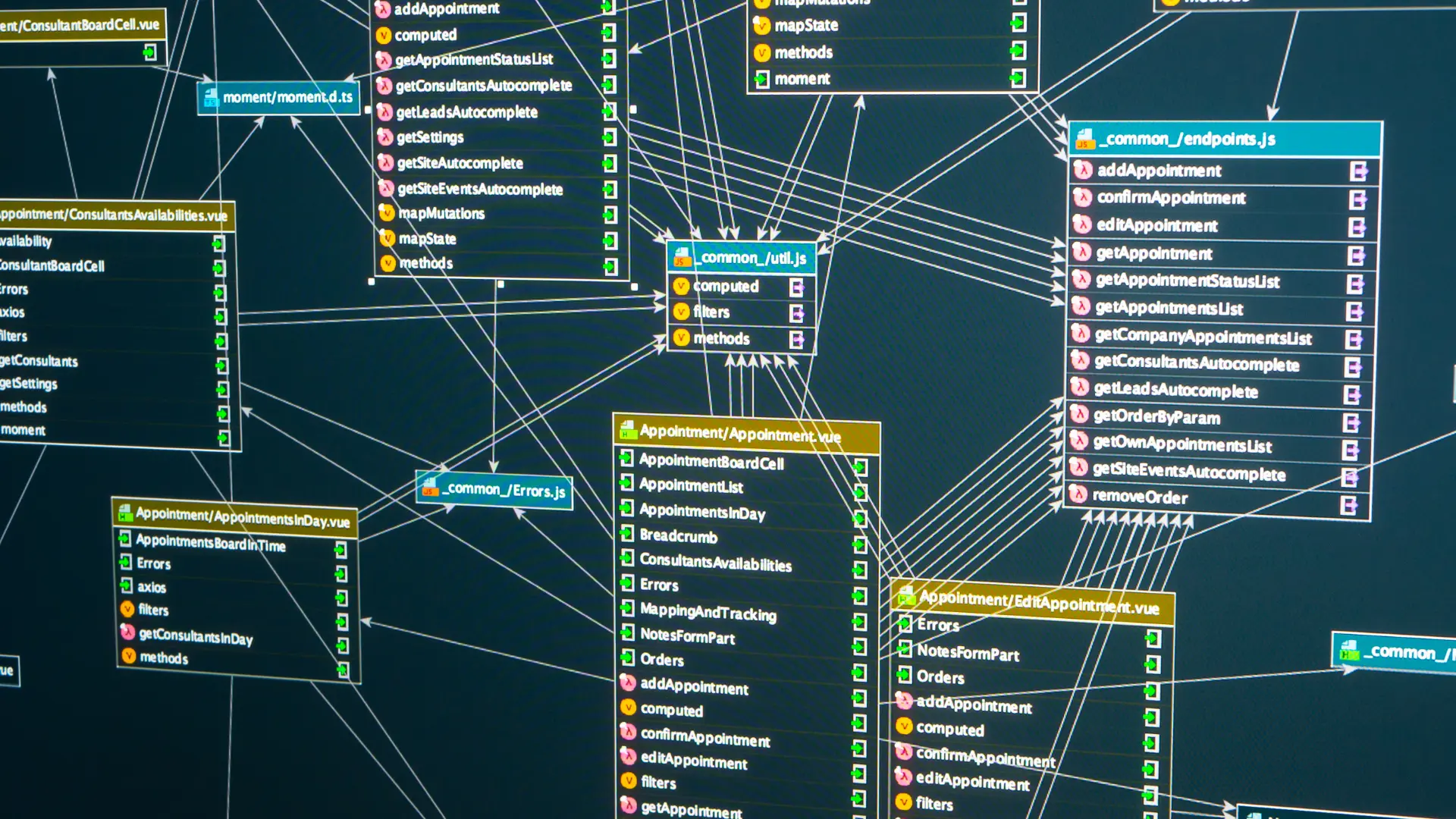
Web3 is introducing a new way of building applications that are decentralized and not controlled by a single authority. Although still in its early stages, it is creating new opportunities in areas like finance, gaming, and digital ownership.
Developers are exploring technologies such as:
- Blockchain integration
- Smart contracts
- Decentralized storage
While not every developer needs to jump into Web3 immediately, understanding its fundamentals can provide a strong advantage in the future.
6. Serverless Architecture Is Expanding
Serverless computing allows developers to build and run applications without managing servers. Instead, cloud providers handle the infrastructure, letting developers focus purely on code.
This approach offers:
- Reduced operational costs
- Automatic scaling
- Faster deployment
Serverless is especially useful for startups and projects that need flexibility and quick scaling.
7. Enhanced Cybersecurity Measures
As cyber threats grow more sophisticated, security is becoming a top priority in web development. Developers must now think about security from the very beginning of a project.
Key practices include:
- Using HTTPS and secure authentication methods
- Protecting APIs
- Preventing common vulnerabilities like XSS and SQL injection
- Regular security audits
Security is no longer optional—it’s a core part of development.
8. Low-Code and No-Code Platforms
Low-code and no-code tools are empowering non-developers to create websites and applications. While these platforms won’t replace professional developers, they are changing the industry.
Developers now play a more important role in:
- Customizing complex features
- Integrating systems
- Scaling applications beyond basic functionality
This trend is making development more accessible while increasing demand for skilled developers in advanced projects.
9. Motion UI and Advanced User Experiences
User experience is becoming more interactive and visually engaging. Motion UI—animations, transitions, and micro-interactions—is now a key part of modern web design.
These elements:
- Improve user engagement
- Make interfaces feel smoother and more intuitive
- Enhance overall usability
However, developers must balance design with performance to avoid slowing down websites.
10. The Growing Demand for Full-Stack Developers
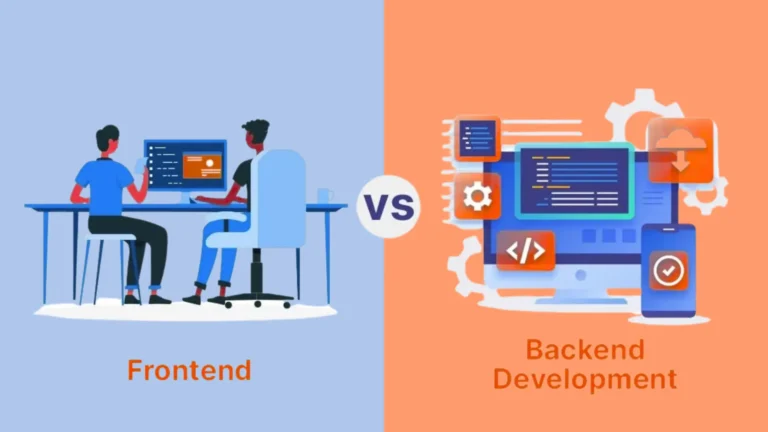
Companies are increasingly looking for developers who can handle both frontend and backend tasks. Full-stack developers are valuable because they can manage entire projects and understand how all parts of an application work together.
Even if you specialize in one area, having basic knowledge of the full stack can give you a competitive edge.
Final Thoughts
The future of web development in 2026 is driven by speed, intelligence, and user experience. Technologies like AI, serverless computing, and modern frameworks are transforming how developers build and deploy applications.
To stay relevant in this ever-changing field, developers should:
- Continuously learn new tools and technologies
- Focus on performance and user experience
- Adapt to changing industry demands
Web development is no longer just about building websites—it’s about creating fast, secure, and intelligent digital experiences.
The developers who embrace these changes today will be the ones leading the industry tomorrow.